
In today’s fast-changing lifestyle, both homes and workplaces demand interiors that can adapt quickly and efficiently. People no longer want static layouts that become outdated within a few years. Instead, they look for flexible design solutions that evolve with their needs. Modular Furniture Systems have emerged as a modern answer to this demand, offering a perfect balance of functionality, aesthetics, and long-term usability.
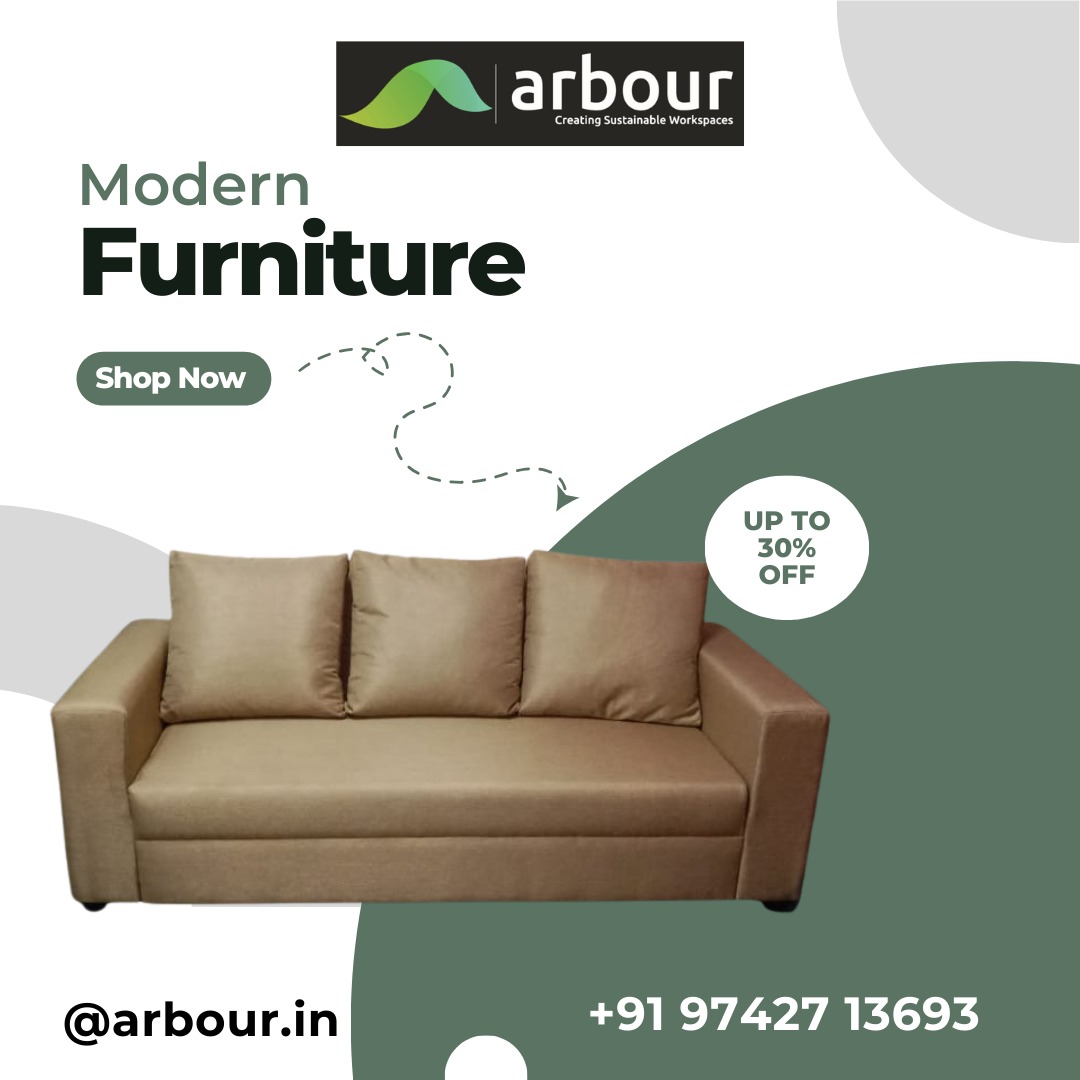
These solutions allow spaces to transform without the need for constant replacement, making them ideal for contemporary living and working environments.
Why Modular Furniture Systems Are in High Demand
The rising popularity of Modular Furniture Systems can be attributed to their adaptability and practicality. Unlike traditional furniture that remains fixed once installed, modular solutions can be rearranged or expanded based on changing requirements. This makes them suitable for a wide range of spaces, from compact apartments to large commercial facilities. As needs change over time, layouts can be adjusted without replacing the entire setup, saving both time and money.
Another reason for growing demand is efficient space utilization. With increasing urbanization, space has become a valuable asset, especially in cities. Smart furniture planning helps maximize every square foot by using corners, walls, and vertical areas effectively. Modular layouts support better organization and reduce clutter, resulting in interiors that feel more spacious, comfortable, and visually appealing.
Modular Furniture Systems for Office Environments
Today’s workplaces are dynamic and constantly evolving. Team sizes grow, departments change, and collaboration styles shift over time. Modular Furniture Systems provide businesses with the flexibility needed to adapt their office layouts without major disruptions. Workstations, meeting rooms, and common areas can be reconfigured easily to support new workflows and operational needs.
Employee comfort and productivity are also key considerations in office design. Ergonomically designed desks, seating, and storage units help reduce physical strain and improve efficiency. Modular office solutions allow organizations to maintain a consistent brand identity through coordinated colors, materials, and finishes, creating a professional atmosphere that reflects company values while enhancing employee satisfaction.
Residential Applications for Modern Living
In homes, modular furniture plays an important role in balancing style and functionality. From kitchens and wardrobes to living rooms and bedrooms, modular layouts help homeowners design interiors that match their lifestyle and daily routines. These solutions are especially beneficial in apartments and compact homes, where intelligent space planning is essential for comfortable living.
Another advantage is the ease of installation and maintenance. Factory-manufactured components ensure precision and faster installation with minimal disturbance. If a section needs repair or an upgrade, individual units can be replaced without dismantling the entire structure. This makes modular furniture a practical and economical choice for long-term residential use.
Customization and Sustainability in Modular Furniture Systems
Customization is one of the strongest benefits of Modular Furniture Systems, allowing users to choose layouts, dimensions, finishes, and materials that align with their interior vision. This flexibility ensures that furniture not only meets functional requirements but also enhances the overall design theme. Designers and homeowners gain creative freedom while still delivering durable and efficient solutions.
Sustainability is another major factor driving the adoption of modular designs. Many manufacturers focus on eco-friendly materials and responsible production methods that minimize waste. Since modular components can be reused, reconfigured, or upgraded instead of discarded, they support environmentally conscious living and working practices while extending the product lifecycle.
Conclusion
In conclusion, modern interior spaces require solutions that are flexible, efficient, and built for the future. With advantages such as adaptability, smart space utilization, customization, and sustainability, Modular Furniture Systems have become a reliable choice for both residential and commercial interiors. Investing in these solutions means creating environments that can evolve gracefully over time while delivering lasting value, comfort, and visual appeal.
Follow US: instragram